

By Jordan Ellis | M•I•A MEDIA GROUP
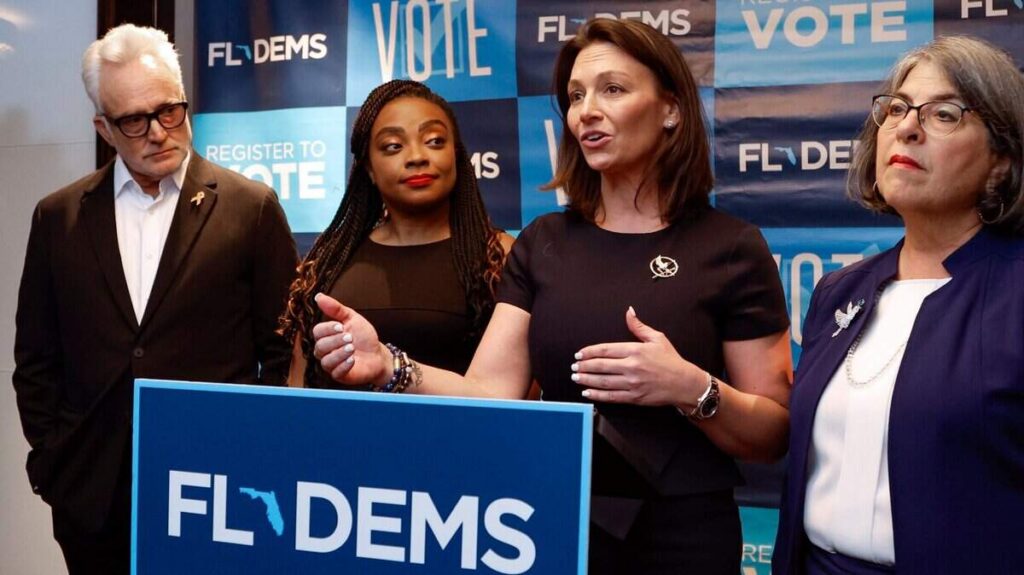
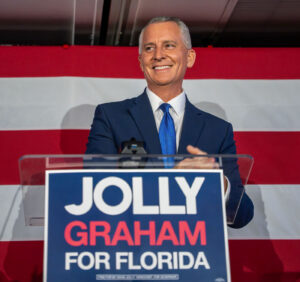
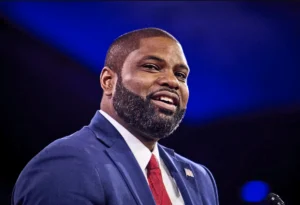
Florida Democrats came out of the 2026 midterms with a stronger case to make to their national party. Democrat David Jolly made the governor’s race unexpectedly competitive before losing to Republican Byron Donalds. Democratic state Rep. Angie Nixon ran a close U.S. Senate race against Republican incumbent Ashley Moody, who held on. Farther down the ballot, Democrats gained ground in Tallahassee. Taken together, the results raise a question for national party leaders deciding where to put their money in 2028. How much more competitive could Florida be if they invested earlier and stayed longer?
Why Florida became a harder sell
National Democrats do support Florida’s party organization. The Democratic National Committee says it sends every state party $17,500 a month, with an additional $5,000 for parties in Republican-controlled states. That money helps build the infrastructure campaigns depend on. The dispute is over a different level of commitment, the money and staff it takes to compete statewide across several expensive media markets. A national committee deciding where to spend its next dollar may see a better chance to flip a seat elsewhere, even if a Florida candidate is closing the gap.
Florida’s recent numbers explain that calculation. Donald Trump carried the state by 13.1 percentage points in 2024, and Republican Sen. Rick Scott won reelection by 12.8 points. The state’s 2026 voter registration figures show Republicans ahead of Democrats by more than 1.5 million, with about 3.4 million voters registered without a party affiliation. A Democrat running statewide has to turn out the party’s own voters and persuade enough unaffiliated voters to overcome that starting deficit. Doing both at Florida’s scale requires staff, advertising and sustained contact with voters well before the final weeks of a campaign.
What the midterms changed
The strongest argument for investment may come from the races that received less attention than the statewide contests. The Florida Democratic Party reported that it broke the Republican supermajority in the state House and flipped a state Senate seat. The party had identified 17 opportunities to win Republican-held seats through its Take Back Florida program and offered participating candidates organizing and fundraising support. That gives national donors something more specific to assess than a statewide margin. They can look at where Florida Democrats recruited competitive candidates, built a local operation and won.
The Senate race also offered a clue about where Democrats might find room to grow. The AP Voter Poll found that fewer than half of Florida’s Hispanic voters backed Moody, even though Trump had won the group decisively two years earlier. The comparison involves different candidates and different elections. For campaigns in South Florida, it is still a reason to examine precinct returns and talk to voters about what mattered in this race before assuming their 2024 choices will carry over to 2028.
What more national support could look like
The likeliest change is targeted investment. National committees can put organizers and voter outreach money into competitive districts before committing to an expensive statewide advertising campaign. They can also help Florida Democrats retain staff between elections, giving the party more time to register voters, recruit candidates and build relationships in communities that often hear from campaigns only as Election Day approaches.
Florida’s statewide losses give national strategists a reason to stay cautious. Its legislative gains give them a reason to reconsider where that caution makes sense. The clearest sign of a shift will come in the months before the next campaign season. Watch where national Democrats pay to keep organizers on the ground and which Florida races they budget for early, while candidates still have time to reach voters who could decide them.
