



By Marcus Reed | M•I•A MEDIA GROUP
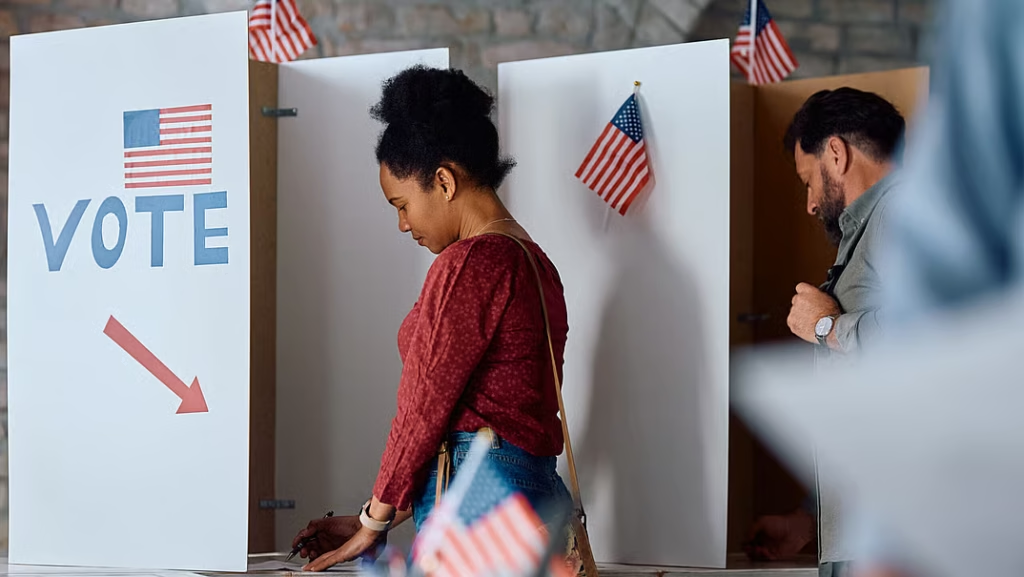
The 2026 midterms forced a rethink of one of the biggest stories to come out of the last presidential election. In 2024, Donald Trump made gains among Black men and younger voters, raising questions about how durable the Democratic coalition would be. Two years later, Democratic candidates recovered ground with both groups. For Black voters, the result raises a more immediate question than who has the advantage in the next election. What will the people they just helped elect do about the cost of living, economic opportunity and voting rights?
Nationally, roughly nine in 10 Black voters backed the Democratic candidate in their U.S. House district, according to the AP Voter Poll. About one in 10 Black men backed the Republican in their local House race, compared with roughly one-quarter who supported Trump in 2024. Those figures compare a midterm election with a presidential contest, so they cannot tell us how many of the same people switched parties. They do show how quickly a party’s gains with a group of voters can fade from one election to the next.
Florida and Georgia tell different stories
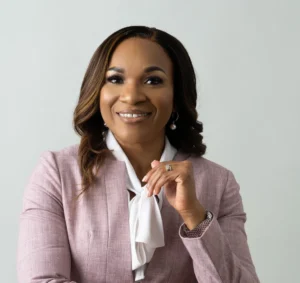
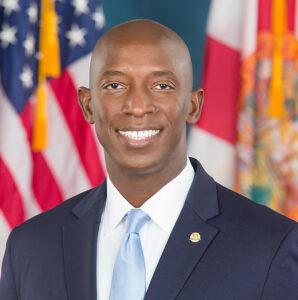
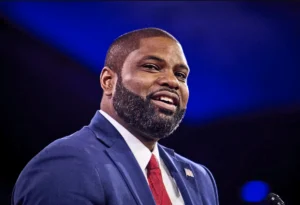
In Georgia, about nine in 10 Black men and a similar share of Black women supported Democrat Keisha Lance Bottoms in the governor’s race. In Florida, Republican Byron Donalds won the governorship and made history as the state’s first Black governor. Yet only about one-quarter of Black men and one in 10 Black women in Florida voted for him over Democrat David Jolly, according to the AP survey.
Florida’s result captures a distinction that can get lost in the celebration of a historic first. Voters can recognize what it means for a Black candidate to win an office that no Black Floridian has held and still have sharp differences with that candidate over how the state should be governed. For South Florida families weighing housing costs, insurance premiums and the availability of good jobs, the next chapter of Donalds’ historic win will be written in the decisions his administration makes on those issues.
Younger voters shifted, too
Voters under 30, an age group made up largely of Gen Z, backed Democratic House candidates by a wider margin than they backed Kamala Harris in 2024, the AP found. The survey also found that about six in 10 voters in households earning less than $50,000 called the cost of living crucial to their vote. That income finding covers voters of all ages, but it helps explain why affordability was such a prominent issue in an election that brought younger voters back toward Democrats. For someone entering the workforce, the practical question is whether a paycheck can cover rent, transportation and the rest of the month’s bills.
The vote was one measure of dissatisfaction
The national numbers show which candidates Black voters chose. Other polling offers a window into what some wanted those candidates to do. TheGrio reported that exit polling from the National Coalition for Black Civic Participation found that more than 71% of Black voters said they backed Democrats they believed would protect voting rights and confront racism and hate. The outlet also reported that Black political strategists see affordability and economic opportunity as priorities voters expect Democrats to address after the election.
The clearest message of the midterms may be that both parties have something to prove. Republicans have to reckon with how little of their recent progress with Black men carried over to congressional races. Democrats now have to show what their renewed support will buy in governing terms. By the next election, voters will have more than campaign speeches to judge. They’ll have votes in Congress, decisions in Tallahassee and their own household bills.
