




By Cameron Whitfield | M•I•A MEDIA GROUP
MIAMI — Florida voters reshaped the state’s political landscape Tuesday, electing its first Black governor, returning Republicans to major statewide offices and approving a controversial property tax amendment that could have lasting consequences for local governments.
Across South Florida, Democratic congressional victories by Oliver Gilbert III and Debbie Wasserman Schultz highlighted the region’s political divisions, demonstrating that Democratic candidates continue to maintain significant support even as Republicans dominate statewide elections.
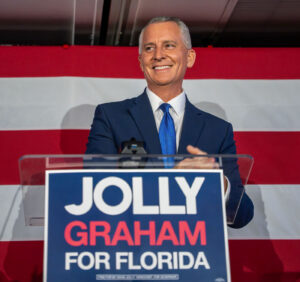
Republican Byron Donalds defeated Democrat David Jolly in the governor’s race, while Ashley Moody won the U.S. Senate contest against Democrat Angie Nixon. Republicans also secured victories in the races for attorney general, chief financial officer and agriculture commissioner.
Meanwhile, voters approved Amendment 3, a property tax measure that supporters say will provide homeowners financial relief but critics warn could reduce funding for essential local government services.
The results create a new political reality for South Florida’s Black communities, where questions surrounding economic opportunity, affordable housing, education, healthcare and political representation remain central concerns.
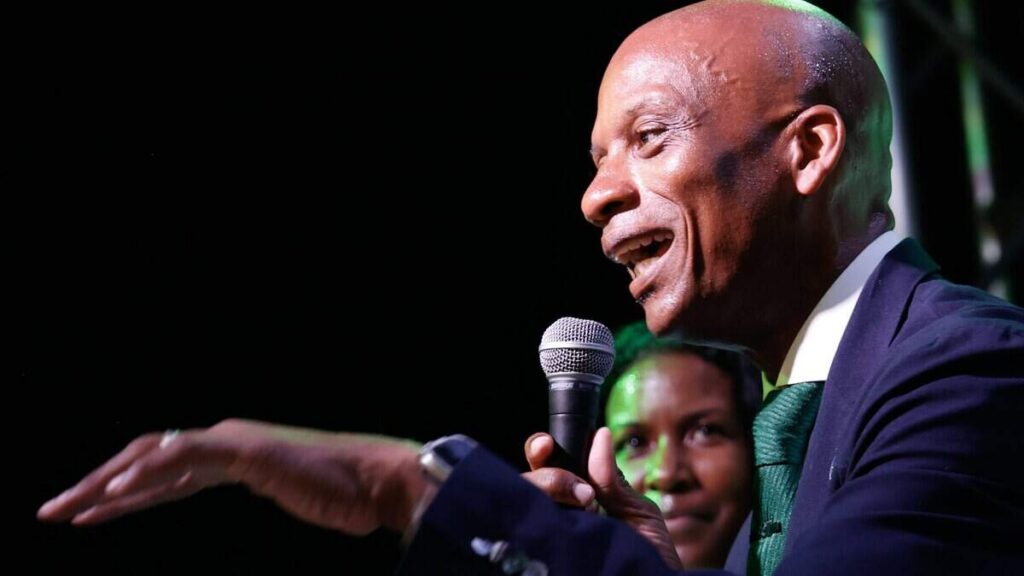
Oliver Gilbert Wins Congressional Seat, Succeeding Frederica Wilson
Former Miami Gardens Mayor and Miami-Dade County Commissioner Oliver Gilbert III won Florida’s 24th Congressional District, defeating Republican Te Mayonna Brown.
Gilbert received approximately 81% of the vote, according to reported unofficial results, securing a decisive victory in the predominantly Black district previously represented by longtime Democratic U.S. Rep. Frederica Wilson.
His election represents an important transition in congressional leadership for communities including Miami Gardens, Opa-locka, North Miami and portions of southern Broward County.
Gilbert enters Congress with extensive experience in local government, where he focused on economic development, infrastructure investment and neighborhood revitalization.
His victory also comes at a time when federal decisions involving healthcare, education, housing assistance and small-business development could have significant consequences for South Florida residents.
For Gilbert, the challenge will be translating his municipal and county leadership experience into effective congressional representation while preserving the district’s longstanding commitment to civil rights and economic advancement.
Debbie Wasserman Schultz Secures 12th Congressional Term
Democratic U.S. Rep. Debbie Wasserman Schultz won reelection, defeating Republican Brent Andersen and independent candidate Kedner Maxime in Florida’s newly redrawn 20th Congressional District.
Wasserman Schultz received approximately 74.7% of the vote, compared with Andersen’s 21.4% and Maxime’s 3.9%, according to unofficial election results.
Her victory secures a 12th term in Congress and reinforces Democratic strength across portions of Broward County. However, the election also carries considerable political significance for Black voters.
The district had been represented by Black members of Congress for more than three decades, and the redistricting process that brought Wasserman Schultz into the race generated debate over the future of Black political representation.
During the Democratic primary, she defeated several Black candidates, including former Broward County Mayor Dale Holness, former U.S. Rep. Sheila Cherfilus-McCormick, educator Elijah Manley and entertainer Luther Campbell.
Her general election victory now places additional responsibility on her to demonstrate that her congressional experience can deliver meaningful benefits to communities concerned about the loss of longstanding Black representation.
For residents of Lauderhill, Lauderdale Lakes, Fort Lauderdale, Tamarac and surrounding communities, issues involving affordable housing, healthcare, economic opportunity and federal investment will remain important measures of her effectiveness.
Wasserman Schultz’s political experience and seniority could provide valuable opportunities for securing federal resources. Whether those advantages produce measurable improvements will help define her relationship with the district’s diverse electorate.
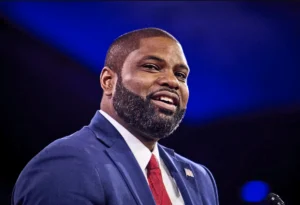
Byron Donalds Makes History as Florida’s First Black Governor
Republican Byron Donalds defeated Democrat David Jolly, becoming Florida’s first Black governor and marking a significant milestone in the state’s political history.
Donalds, a close political ally of President Donald Trump, campaigned on conservative economic principles, school choice, tax reductions and reducing government regulations.
His victory breaks a historic racial barrier while raising important questions about the future direction of state policies affecting Black Floridians. Donalds has opposed government-funded diversity, equity and inclusion initiatives, a position that places him at odds with many traditional civil rights organizations.
For Black communities across Florida, his administration will be evaluated on its ability to address rising housing costs, property insurance premiums, educational disparities and access to economic opportunities.
His election demonstrates that Black political leadership continues to expand across party lines. However, the historic nature of his victory does not eliminate the need for accountability regarding policies affecting underserved communities.
Ashley Moody Defeats Angie Nixon in U.S. Senate Race
Republican Ashley Moody defeated Democratic state Rep. Angie Nixon, securing election to the U.S. Senate after initially being appointed to replace Marco Rubio, who became U.S. secretary of state.
Moody’s victory reinforces Republican influence in Washington and extends her political career following her service as Florida’s attorney general.
Nixon, a prominent Black state lawmaker, campaigned on expanding healthcare access, protecting civil rights, improving public education and addressing the economic challenges facing working families.
Although unsuccessful, her candidacy brought greater attention to issues affecting Black communities and demonstrated the continuing importance of minority political participation.
Moody will now face scrutiny over her positions on federal healthcare policy, economic development, immigration and protections for vulnerable communities.
James Uthmeier Wins Attorney General Race
Republican James Uthmeier defeated Democrat José Javier Rodríguez, securing a full term as Florida’s attorney general. Uthmeier, appointed by Gov. Ron DeSantis in 2025, previously served as the governor’s chief of staff and legal counsel.
His victory maintains Republican control of an office responsible for major legal decisions involving consumer protection, public safety, civil rights enforcement and challenges to federal policies.
For Black Floridians, the attorney general’s approach to discrimination, consumer fraud, criminal justice and equal protection under the law will be particularly important.
Blaise Ingoglia Wins Chief Financial Officer Race
Republican Blaise Ingoglia defeated Democrat Annette Taddeo, securing election as Florida’s chief financial officer.
The CFO oversees state financial operations, insurance-related responsibilities and fiscal accountability. Ingoglia’s victory comes as homeowners and businesses throughout Florida continue confronting high property insurance premiums and increasing operating expenses.
For South Florida’s Black homeowners and entrepreneurs, the effectiveness of state insurance oversight and financial management could directly influence household stability and business growth.
Wilton Simpson Wins Reelection as Agriculture Commissioner
Republican Wilton Simpson defeated Democrat Joey Mendoza Atkins, winning another term as Florida’s agriculture commissioner.
The position oversees agriculture, food safety, consumer services and other important regulatory responsibilities. Simpson’s reelection maintains Republican control of an office that influences Florida’s agricultural economy and consumer protection policies.
Food affordability, agricultural employment and consumer protections remain important issues for families throughout South Florida.
Amendment 3 Passes, Creating New Questions About Property Taxes
Florida voters approved Amendment 3, a controversial property tax measure intended to provide additional financial relief to qualifying homeowners.
The measure received sufficient support to clear the 60% threshold required for constitutional amendments.
Supporters argued that the amendment would reduce the financial burden on homeowners already struggling with rising insurance premiums, housing expenses and inflation.
Critics warned that reducing property tax revenue could place additional pressure on local governments responsible for essential public services. For municipalities such as Miami Gardens, Lauderhill, Lauderdale Lakes and Riviera Beach, the long-term implications could be significant.
Reduced local revenue could affect funding decisions involving infrastructure, parks, community development and other municipal services.
The measure also raises questions about fairness for renters, who may not receive the same direct financial benefits as qualifying homeowners. The ultimate impact will depend on how the amendment is implemented and how local governments respond to potential revenue changes.
Other South Florida Congressional Victories
Several additional congressional contests demonstrated continued Democratic strength across portions of South Florida.
Democrat Jared Moskowitz won Florida’s 25th Congressional District, defeating Republican Scott Singer.
In Palm Beach County, Democratic U.S. Rep. Lois Frankel defeated Republican Deborah Adeimy in District 23.
Democrat Pia Dandiya also defeated Republican Casey Askar in District 22, adding another Democratic victory in the region.
Together with Gilbert and Wasserman Schultz, these victories illustrate the contrast between Republican statewide dominance and Democratic congressional strength in several South Florida districts.
The results also underscore the importance of district boundaries, voter turnout and local political concerns in determining election outcomes.
What the Election Means for South Florida’s Black Communities
The 2026 election produced a complicated political picture. Florida elected its first Black governor, an achievement of undeniable historical importance. Yet the state also maintained Republican control of its major executive offices.
Meanwhile, Gilbert’s election ensures continued Black congressional leadership in District 24, while Wasserman Schultz’s victory creates a new chapter in District 20, where questions about the future of Black political representation remain significant.
These developments demonstrate that political representation cannot be measured exclusively by race or party affiliation.
For residents, the more meaningful questions involve whether elected officials will address economic inequality, expand access to affordable housing, improve public education and strengthen opportunities for small businesses.
The passage of Amendment 3 adds another challenge as communities consider how property tax relief might affect funding for essential public services.
Across South Florida, voters will expect their elected representatives to move beyond campaign promises and deliver measurable results.
Election Victories Are Only the Beginning
Florida’s 2026 election will be remembered for historic milestones, major political victories and important decisions that could shape the state’s future.
Donalds’ election represents a breakthrough in Black political leadership. Gilbert’s congressional victory brings a new generation of representation to District 24. Wasserman Schultz’s reelection demonstrates political staying power while placing renewed attention on the needs of her newly configured district.
Meanwhile, Republican victories in the U.S. Senate and statewide executive offices reinforce the party’s influence over Florida’s political direction.
But winning an election is only the first test of leadership.
The greater responsibility is ensuring that government responds to the everyday challenges facing residents, including housing affordability, insurance costs, educational opportunity, healthcare access and economic security.
For South Florida’s Black communities, the true measure of the 2026 election will not be how many candidates celebrated victory Tuesday night. It will be how many families, businesses and neighborhoods experience meaningful progress because of the decisions those elected leaders make.
Political power may be won at the ballot box, but lasting leadership must be earned through results.
