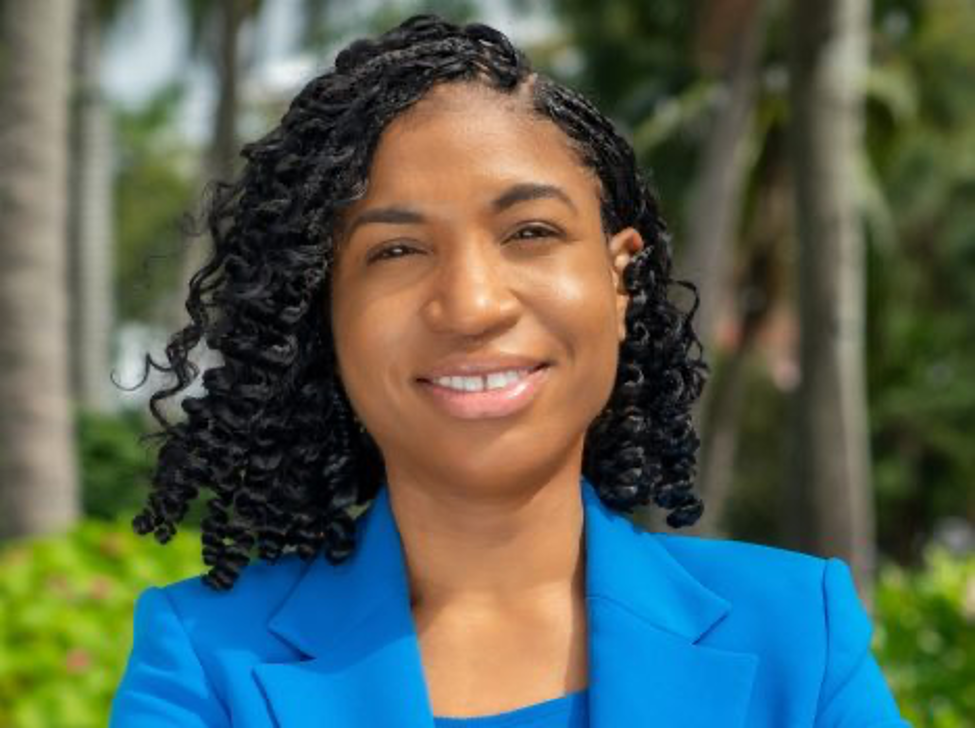





 Leadership is not always comfortable. In fact, true leadership often disrupts the status quo, challenges complacency and forces institutions to confront long-standing inefficiencies. That appears to be exactly what is happening in Fort Lauderdale under the leadership of City Manager Rickelle Williams.
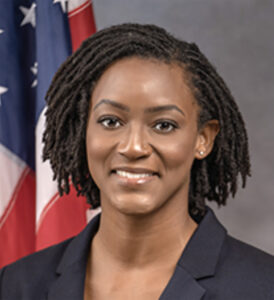
Williams, the first Black woman to serve as Fort Lauderdale’s city manager, was hired to lead one of South Florida’s most important municipalities through growth, modernization and increasing public demands for accountability. Yet rather than being given the opportunity to fully implement her vision, she has found herself under public attack from some city commissioners who appear more focused on personality conflicts than measurable progress.
Strong leaders are often criticized when they begin changing systems that have operated the same way for years. History has shown that transformational leadership is rarely welcomed by everyone, especially inside government bureaucracies where comfort and familiarity can outweigh innovation and reform.
Critics have described Williams as aggressive or too forceful. But perhaps the better question is this: Would those same qualities be described differently if displayed by someone else? Across both public and private sectors, decisive leadership is often praised when it produces results. Women and minority executives, however, are too often held to different standards.
Fort Lauderdale is not a small operation. It is a major city with billions in assets, thousands of employees and significant economic responsibilities. Managing such a city requires decisiveness, accountability and the willingness to make difficult decisions. It cannot be governed through hesitation or fear of upsetting internal politics.
Supporters of Williams point to her efforts to modernize city operations, strengthen accountability and build a more effective administrative structure. Those initiatives may not please everyone, but reform rarely does. When leaders begin demanding higher standards and increased efficiency, resistance often follows.
What is troubling is that much of the criticism directed toward Williams has become highly personal and public in nature. Public disagreements among elected officials and administrative leadership can undermine confidence in local government and distract from the real issues impacting residents, including infrastructure, economic development, public safety and quality of life.
_____________________________________________________
The views and opinions expressed in this article are those of the author and do not necessarily reflect the official policy or position of M•I•A MEDIA GROUP LLC. Any content provided by our contributors is their opinion and is not intended to malign any religion, ethnic group, club, organization, company, individual, or entity.
