





By Jonathan Mercer | M•I•A MEDIA GROUP
America’s political leadership is preparing to look more like the people it governs.
Across the country, the 2026 midterm elections produced historic victories for Black Americans, Hispanics, women and Native Americans, opening offices that had remained beyond their reach for generations. The breakthroughs suggest an expanding willingness among voters to entrust executive and legislative power to candidates from a wider range of backgrounds.
But their significance extends beyond who appears in the victory photographs. These elections raise a larger question: What happens when communities historically excluded from power gain greater authority to exercise it?
Black leadership reaches a milestone
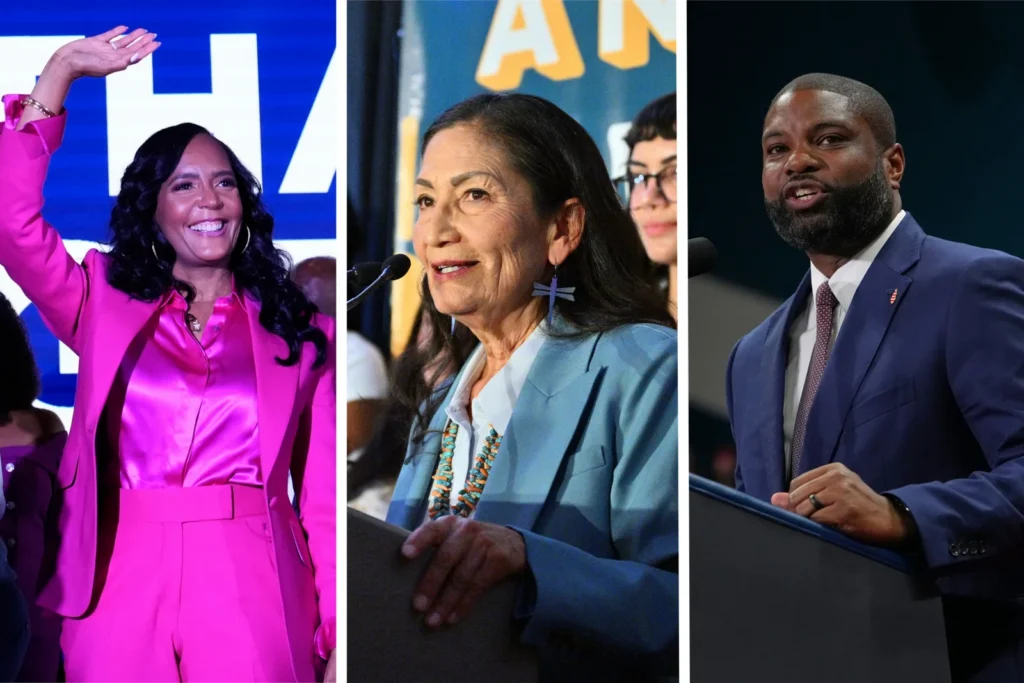
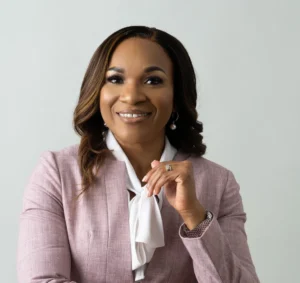
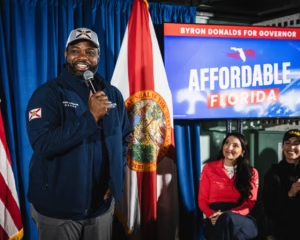
Georgia elected Democrat Keisha Lance Bottoms, the former Atlanta mayor, as the nation’s first Black woman governor. Florida elected Republican Byron Donalds as its first Black governor. Wisconsin’s David Crowley and Nevada’s Aaron Ford also became their states’ first Black governors, while Maryland Gov. Wes Moore won reelection.
Together, those victories mean five Black governors will serve simultaneously — an extraordinary expansion of representation in offices where Black leadership has been rare.
Donalds’ victory alongside those of Black Democrats also underscores an essential point: racial diversity encompasses political disagreement. Shared identity does not require shared ideology.
Hispanic and Native American candidates break barriers
Texas elected Democrat Gina Hinojosa as its first Latina governor. In California, Democrat Xavier Becerra became the first Latino elected governor since Romualdo Pacheco held the office in 1875. These victories place Hispanic leaders at the helm of two of the nation’s largest states.
Native American women achieved two national firsts. New Mexico elected Deb Haaland, a citizen of Laguna Pueblo, as the country’s first Native American woman governor. Minnesota elected Peggy Flanagan, a citizen of the White Earth Band of Ojibwe, as the first Native American woman in the U.S. Senate.
Their tribal citizenship also highlights a distinction sometimes lost in broad discussions of diversity: Native representation involves relationships among governments and sovereign tribal nations, alongside questions of identity and inclusion.
Women expand their authority
Women won governorships in 17 states, a record, according to reporting citing Rutgers University’s Center for American Women and Politics. The breakthroughs crossed party lines, including Republican Marsha Blackburn’s election as Tennessee’s first woman governor and Democrat Amy Acton’s election as Ohio’s first elected woman governor.
Illinois elected Juliana Stratton to the Senate. Her victory means three Black women will serve concurrently in that chamber in 2027. Alongside Sen. Tammy Duckworth, Stratton will also make Illinois the first state represented simultaneously by two women of color in the Senate.
What the results say about diversity
These victories demonstrate that diverse backgrounds can coexist with electoral strength. They challenge assumptions about who voters consider capable of leading a state or representing it nationally.
They do not establish that voters chose candidates primarily because of identity. Election outcomes reflect competing policies, campaign organization, political conditions and judgments about leadership. Nor does one election prove that discrimination has disappeared.
The overlapping milestones matter, too. A Black woman’s victory belongs to several histories at once; these communities are not separate, mutually exclusive categories.
Representation can broaden the experiences brought to decisions about schools, housing, health care and economic opportunity. Whether that produces better outcomes must be judged through governing.
For communities celebrating these victories, the next step is accountability: Who gains access? Which problems receive attention? What changes in people’s lives?
The historic achievement is that more Americans can now see themselves in positions of power. The responsibility ahead is to make that power deliver.