







By Camille Bennett | M•I•A MEDIA GROUP
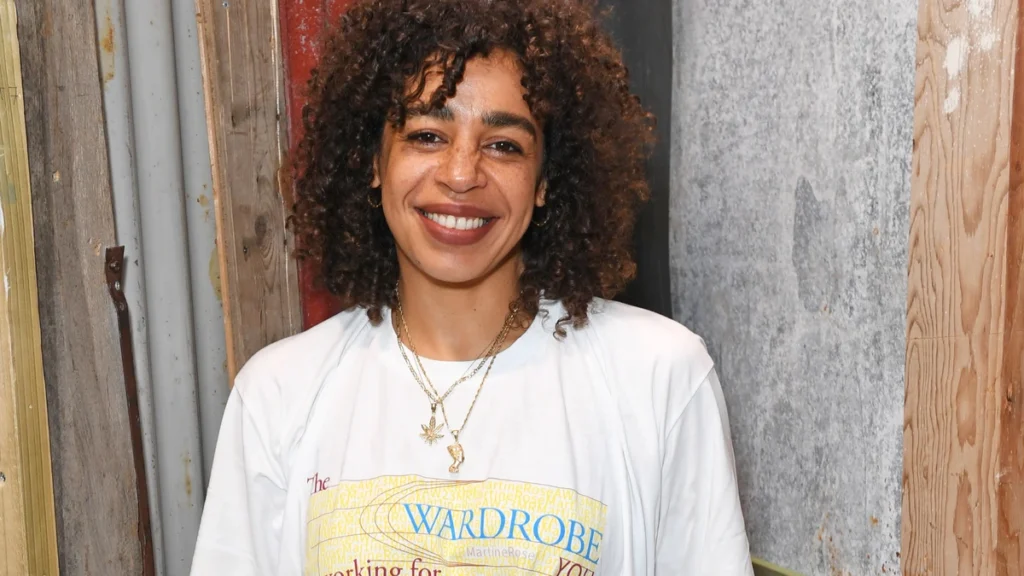
Before Martine Rose was chosen to lead Balenciaga, she spent years finding ideas in places far from the Paris runways. The British Jamaican designer drew on South London street style and 1990s rave culture, making oversized clothes that challenged familiar ideas about how men should dress. Now the fashion house she once helped shape as a menswear consultant is giving her creative control.
Kering, Balenciaga’s parent company, announced Friday that Rose will succeed Pierpaolo Piccioli on Nov. 16. She will be based in Paris and become the first woman to serve as creative director in the house’s 109-year history, Vogue reported. The appointment puts a Black British designer in charge of a label whose influence extends from haute couture to sneakers.
Rose founded her namesake label in London in 2007. She made a signature of shifting the proportions of familiar clothes, turning the fit of a jacket or the shape of a trouser leg into a way to question the rules of menswear. Her collaborations with Nike and Supreme carried those ideas to shoppers who might first encounter her work through sneakers or skatewear.
She already knows how those ideas can work at Balenciaga. From 2015 to 2018, Rose consulted on menswear under Demna as oversized silhouettes became a signature of the house. Her return gives her a wider canvas, with a remit that spans women’s and men’s ready-to-wear as well as couture. One of the most interesting questions is how a designer known for making everyday clothes look unfamiliar will approach a garment made to fit a single person.
The appointment also tells us something about whom Kering wants to reach. CEO Luca de Meo singled out Rose’s “connection to the new generation” in announcing the hire. Reuters reported that her appointment was the third creative leadership change in a month at a Kering label as the group seeks to restore growth after a three-year slowdown. For Balenciaga, the commercial test will be whether Rose can turn the attention her designs attract into sales, including among younger shoppers who already recognize her influence.
For Black designers watching from independent studios, the distinction between consulting for a house and leading it is significant. A consultant can influence a collection. A creative director can shape whose ideas reach the runway, who gets cast in a show and which references a global brand treats as worthy of its attention. Rose’s career offers a concrete example of how expertise developed in Black diasporic communities can inform decisions at the highest level of luxury fashion.
Rose will inherit a house whose founder changed fashion by rethinking how clothes sit on the body. She has spent much of her career asking a related question through the clothes people wear to clubs and on the street. Her first collections will show what happens when she can follow that instinct across an entire fashion house.
