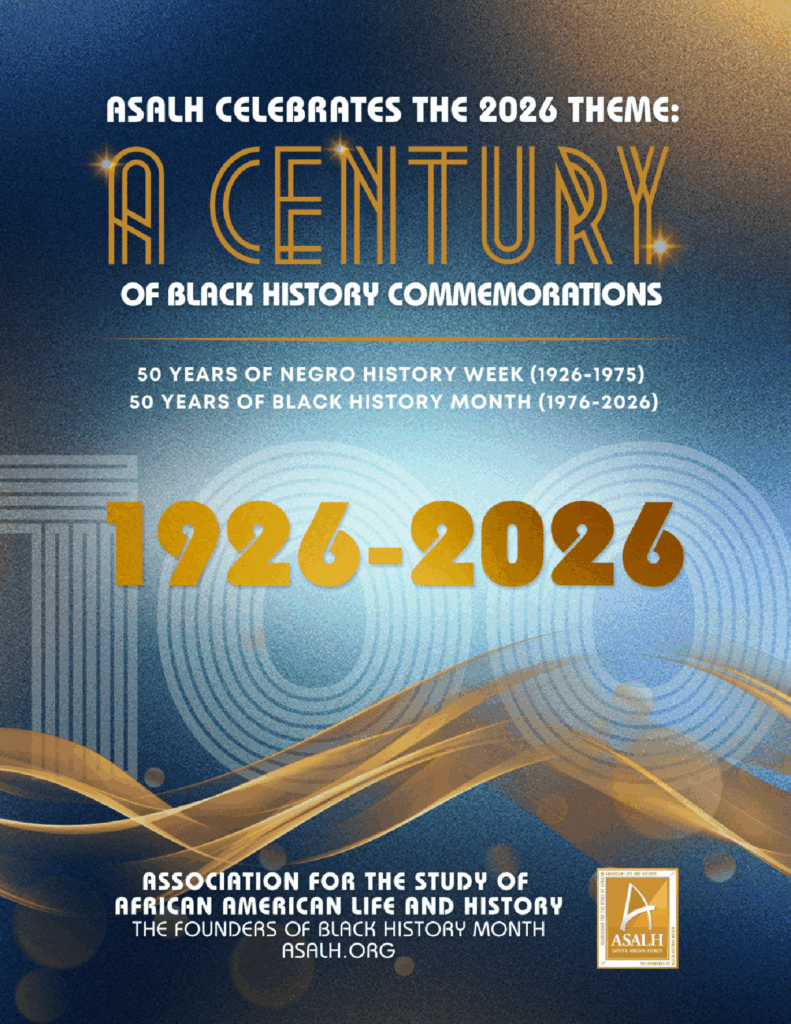

 A couple years ago, I started posting Black history facts regularly on Facebook, believing that we need not limit it to one month a year. Since then, friends beg me not to stop. Even though we are way past February, and in the spirit of the 100th anniversary of Black History, this month’s column covers a subject that I hope will generate reader pride.
As a people, we are so darn creative. We are constantly fashioning new words and phrases. Many find their way into common verbiage of Black people and, while some fade away, others get adopted into the English lexicon.
Online communities like “Black Twitter,” streamed movies, and TV shows capture Black culture, including our language. As with slavery times, some expressions also serve as cultural “code” so that mainly Black people use and appreciate them. That habit stems from a time when coded language helped us survive.
Black talk seeps into our vocabulary and, eventually, the world around us. Here are some you’ll recognize.
• High on the hog: living a wealthy lifestyle; from a 1940s reference to eating pig parts above the belly as in the loin, rather than lower parts, e.g. feet, knuckles, hocks.
• Fierce: confident and visually appealing; entered the mainstream with Beyoncé’s 2008 album “I Am… Sasha Fierce,” as she revealed her strong alter ego.
• Put your foot in it: a compliment to excellent cooking. It means a meal was extraordinarily prepared by the cook.
• Cray-cray: a person who acts crazy, senseless, or strange.
• Bro’: from the word “brother,” used by Black men to address one another kindly as far back as the late 1800s; re-popularized in the 1960s Black Power era.
• Jump the broom: used to denote marriage, since enslaved couples were legally barred from marrying; many contemporary Blacks have re-adopted the tradition.
• Bad/badass: not bad…on the contrary, the superabundance of good; a badass is a person of formidable strength or skill, fearless.
• We straight: “straight” means “all right.” So it means “We are all right.”
• My boo/bae: a term of endearment, from the French word beau which means boyfriend.
• My bad: used to offer apologies (and implied forgiveness) for an innocent mistake or wrongdoing. “My bad, I forgot to call her.”
• OG: from Ice-T’s 1991 album, O.G. Original Gangster; someone who is a highly respected pioneer. It can also mean “old-school,” someone who is an originator of a style or idea.
• Tea: a juicy scoop of gossip; often used in the phrase “spilling tea.”
• One monkey don’t stop no show: Big Mabelle and Joe-Tex both sang it; implies no person or setback stops progress.
• God is good…all the time: a call-and-response exchange between Christians. If I say, “God is good; you say, “All the time” ….or in reverse.
• Vibe: a certain kind of energy, good or bad from rap culture; can mean many things, from being like-minded (i.e. same vibe) to a place with just the right energy.
• Black Girl Magic: an expression celebrating the beauty, power, and resilience of Black women & girls.
Lastly, there’s my fav phrase: God willing and the creek don’t rise, used by older Southern Blacks. In making a promise, it seeks reverent permission (“God willing”) and yields for unexpected events.
God willing and the creek don’t rise, please spread the pride of Black language to others. Happy 100th Black History Year!
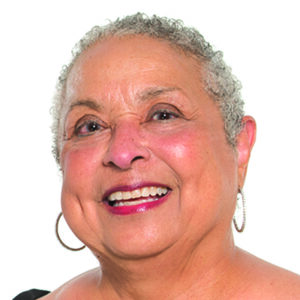
Jacqui Love Thornell is a native Miamian and retired corporate executive. With “help shape a better world” as her mantra, Thornell writes to tackle the awkward situations readers face in a world where technology, social media, gender definitions, and cultural lifestyle differences drive behavior. New-age etiquette strives to rise above the fray of rudeness, haters, and negativity to attain human encounters that are civil and thoughtful.