






Nvidia’s directors unanimously accepted the founder’s resignation and hired a firm to find his successor. A near-term comeback looks highly unlikely.
By Avery Coleman | M•I•A MEDIA GROUP
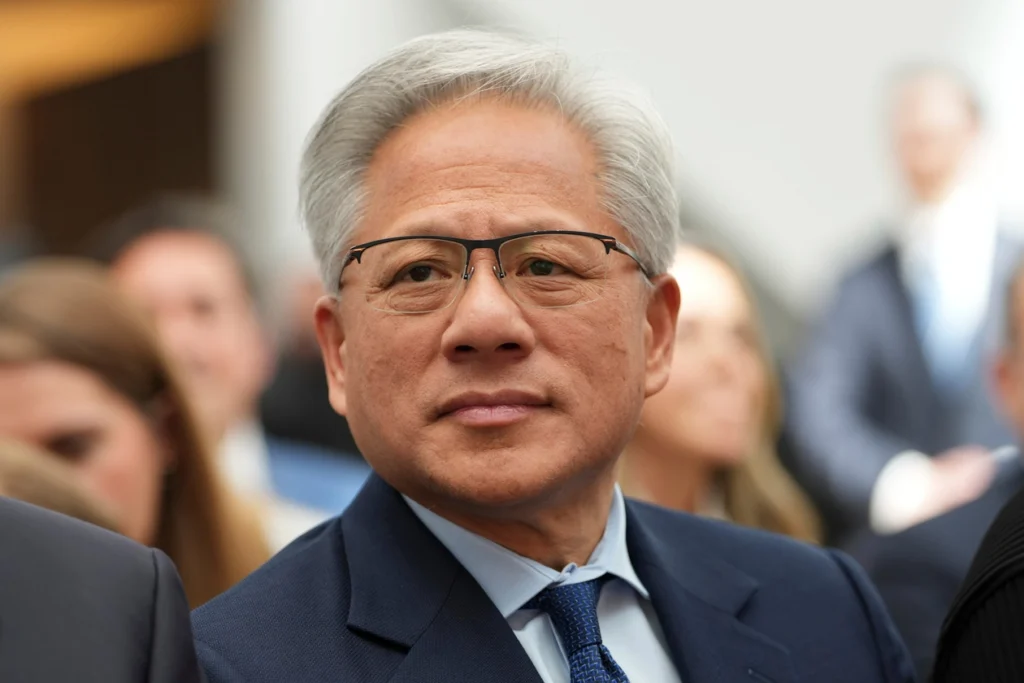
Jensen Huang said Tuesday he would return as Nvidia’s chief executive if the company’s directors asked him. Hours later, the man who speaks for those directors gave investors an answer. Board Chair Harvey C. Jones said on Nvidia’s quarterly earnings call that the board had unanimously accepted Huang’s resignation and had no intention of reinstating him. The company has already hired an executive search firm to help find its next permanent chief executive.
In his first public remarks since stepping down, Huang said employees, investors, customers and business partners had urged him to come back. He said he “would be honored” to return if directors concluded that doing so would serve Nvidia, its shareholders, its employees and the United States. The statement put his willingness on the record while leaving the decision with the board. It also gave supporters a public opening to press for his return.
For now, the chances of a comeback look slim. Jones spoke after Huang made his offer public, giving the board a chance to weigh in while attention was squarely on the question. The directors also took a concrete step toward a succession by retaining Heidrick & Struggles. Jones said the board would consider candidates inside and outside Nvidia and wanted to move quickly while taking enough time to choose the right person.
Why the board’s position carries weight
Colette Kress, Nvidia’s chief financial officer since 2013, is running the company on an interim basis while keeping her finance role. Her appointment gives directors an executive who knows Nvidia’s customers, operations and product strategy while they conduct the search. Jones publicly backed her leadership on the call. Having a longtime executive in place gives the board time to interview candidates and assess who can manage a business that has grown rapidly under Huang.
The results Kress presented help explain why directors have room to take their time. Nvidia reported $115.8 billion in quarterly revenue, up 103% from a year earlier. Its data center business accounted for $107.6 billion. The quarter ended Oct. 25, before Huang’s departure, so those figures capture the business Kress inherited. They also show the scale of the job facing any successor, from delivering new chips to managing relationships with the companies spending heavily on artificial intelligence infrastructure.
The board is also dealing with questions that go beyond Nvidia’s financial performance. On Nov. 8, it announced an independent investigation following reports that Huang had been targeted by a foreign intelligence effort. The board said at the time it had no reason to believe that national security or company secrets had been compromised. On Tuesday, Nvidia announced a board committee to oversee national security and export controls. Jones cited conduct inconsistent with company standards when discussing Huang’s departure.
What could change the odds
Huang’s strongest case is the company he built. He spent more than three decades leading Nvidia and became its most visible representative as demand for its chips surged. Customers accustomed to dealing with the founder may value that continuity, and some Silicon Valley figures have publicly rallied behind him. Directors, however, would have to explain why bringing Huang back serves the company after they accepted his resignation, backed Kress and committed to a search for a successor.
A change in the board’s position would likely require a significant development. The search could prove harder than expected, shareholders could put sustained pressure on directors, or findings from the independent investigation could alter how directors assess the risks of reinstatement. Those are possible developments. The clearest evidence available today comes from the directors’ public position and their decision to pay an outside firm to look for someone to lead the company.
Nvidia’s next leadership announcement will matter more than another expression of support for Huang. Naming a permanent successor would carry out the plan directors have laid out. An invitation to return would require them to reverse a position they stated plainly to investors. Until the board signals a change, Huang’s offer is best understood as a declaration that he is available. Nvidia is proceeding as a company that expects someone else to take the job.