







By Adrian Coleman | M•I•A MEDIA GROUP
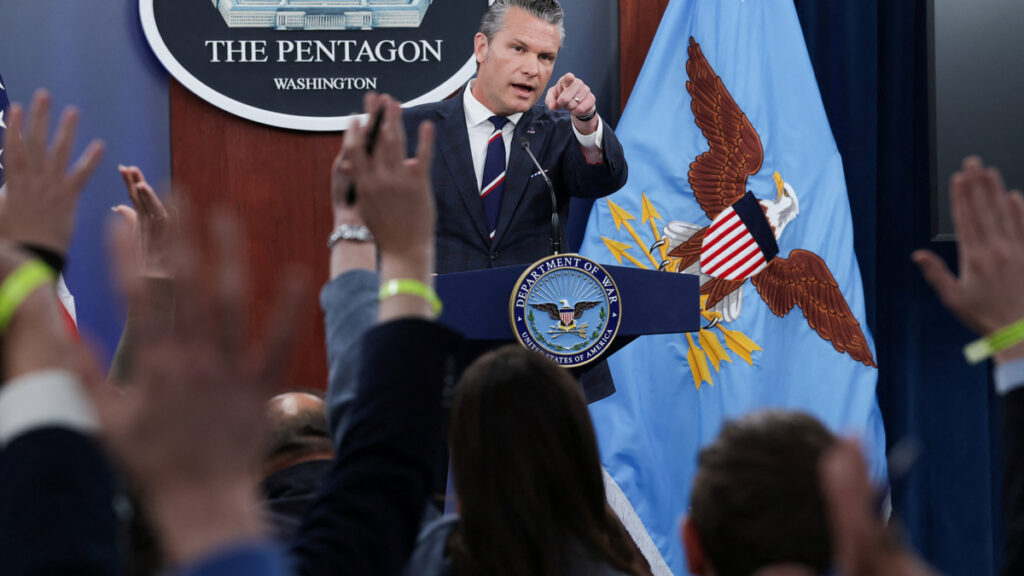
WASHINGTON — Defense Secretary Pete Hegseth survived an effort to impeach him Tuesday as House Republicans rallied behind President Donald Trump’s Pentagon chief, blocking a resolution that challenged his conduct in office and handling of the war with Iran.
The House voted 211-204 to send the impeachment resolution to the Republican-controlled Judiciary Committee, effectively stopping it from advancing to an immediate vote. Rep. Thomas Massie of Kentucky, who sponsored the measure, was the only Republican to oppose the referral.
The outcome delivered a political victory for Hegseth and the White House. It also demonstrated how firmly Republican support held when lawmakers faced a direct challenge to a senior member of Trump’s administration.
Although the impeachment effort failed to advance, Tuesday’s action was a procedural decision. The House did not conduct a trial or issue findings resolving the allegations against Hegseth. Sending the resolution to committee prevented the immediate confrontation its supporters sought. NPR reported that the move virtually guarantees the measure will not receive further consideration before the current congressional session ends.
Massie’s resolution contained eight articles accusing Hegseth of abuses of power and other impeachable misconduct. Among the allegations were conducting war against Iran without congressional authorization, unlawful attacks on suspected drug-trafficking vessels and actions connected to the removal of Venezuelan President Nicolás Maduro. Those accusations remain contested; introducing impeachment articles does not establish that an official committed the alleged offenses.
The administration forcefully rejected the effort.
In a formal policy statement issued before the vote, the White House characterized the resolution as politically motivated and argued that disagreements over military policy did not meet the constitutional threshold for impeachment. It maintained that the president possessed constitutional authority to direct operations protecting national security and explicitly urged lawmakers to support referring the measure to committee.
That defense placed the dispute squarely within a larger struggle over presidential military authority and Congress’ responsibility to oversee it.
The administration’s position treats the challenged operations as lawful exercises of executive power. Impeachment supporters argue that the conduct crossed constitutional and legal boundaries. Evaluating those competing claims requires examining authorization, evidence and the decisions made by civilian leaders.
Politically, the effort failed because Massie could not build a broader Republican coalition. His sponsorship gave the resolution a Republican origin, but his isolation in the vote showed the limits of that challenge.
The confrontation followed Republican midterm losses that some party members have attributed partly to the Iran war and its economic consequences. Despite those pressures, GOP lawmakers largely stood with Hegseth after Trump signaled his support, according to The Associated Press.
The dispute may return when Democrats take control of the House and Senate in January. A new majority could pursue investigations or another impeachment resolution, although future action remains uncertain. Even House approval would leave supporters facing the separate constitutional hurdle of securing a two-thirds Senate vote for conviction and removal.
For now, Hegseth retains his position, and the administration has defeated an immediate threat. The unresolved question is whether the next Congress will assemble the evidence and political support necessary to move the confrontation beyond a procedural vote.
