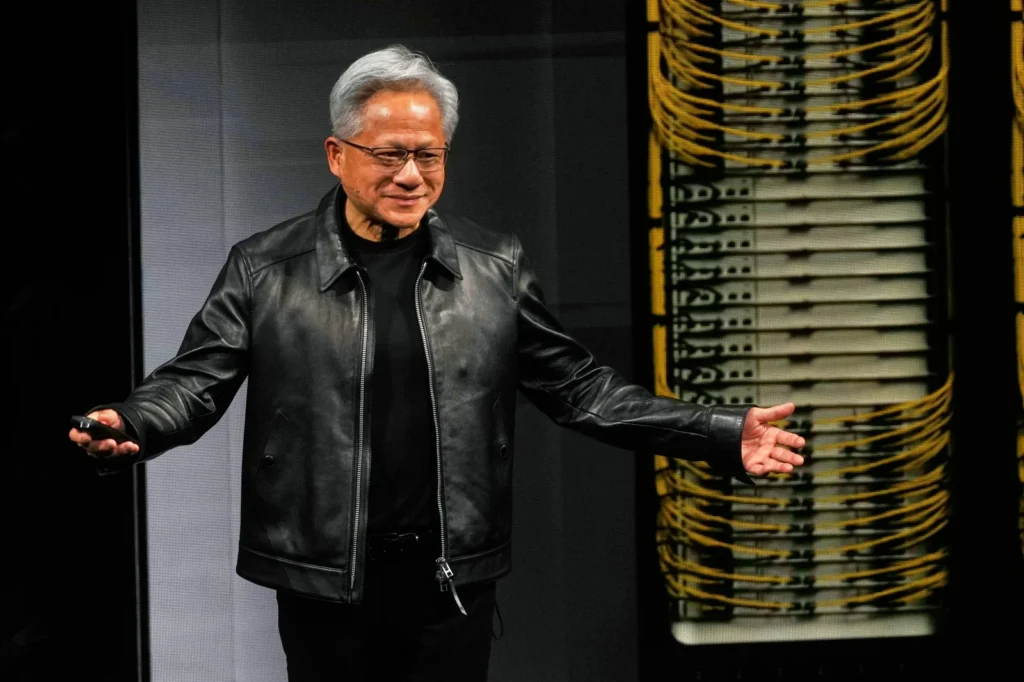






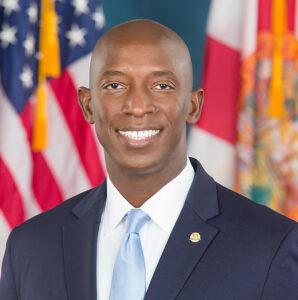

Huang acknowledged being unfaithful. Reports linking a chip customer’s executive to Chinese intelligence have raised questions about Nvidia’s safeguards and U.S. export controls.
By Adrian Cole | M•I•A MEDIA GROUP
Nvidia Chief Executive Jensen Huang acknowledged an extramarital affair on Nov. 8, the same day the company’s board announced an independent investigation into reports that he had been targeted by a foreign intelligence effort. The inquiry puts one of the world’s most influential technology companies under scrutiny over a question that reaches beyond its chief executive’s private life. Could a personal relationship with an executive at a major customer have influenced who gained access to some of America’s most advanced artificial intelligence chips?
Huang apologized to his family and employees and pledged to cooperate. His letter did not identify the other person. The New York Times identified her as Alice Huang, an executive at Singapore-based data center company Megaspeed, and reported that U.S. intelligence officials believed she was gathering information for Beijing. The two are unrelated. The U.S. government has yet to publicly confirm the reported intelligence assessment, and China’s embassy in Washington rejected the allegation. Nvidia’s board said it had no reason to believe company secrets or national security had been compromised. Huang remains CEO.
Why the chip sales matter
Nvidia’s advanced processors supply the computing power that companies use to train and run AI models. The U.S. government restricts exports of certain chips to China and allows some sales under specific conditions. In January, the Commerce Department announced it would review applications to export Nvidia’s H200 and comparable processors to China case by case, subject to security requirements that include customer screening. That makes the identity of the buyer and the ultimate destination of the hardware central to whether the controls work.
Megaspeed’s role brings those questions into focus. The company bought more than $4.8 billion in Nvidia chips over two years, according to the Times, as reported by The Associated Press. Reuters separately reported that The Information, citing people familiar with Alice Huang, alleged that the relationship helped facilitate at least $7.5 billion in Nvidia chip shipments to Chinese firms through a broader network. That figure comes from news reporting. Establishing whether particular shipments violated export rules would require tracing the chips, identifying their end users and checking which licenses applied.
A test of oversight inside Nvidia and in Washington
Nvidia’s independent directors retained former acting U.S. Attorney Joon H. Kim and his law firm on Nov. 10 to conduct the inquiry. One question for investigators is whether Megaspeed received preferential treatment and, if so, who authorized it. Purchase orders, compliance reviews and records of exceptions could help establish whether the relationship affected company decisions. A shareholder lawsuit filed in California also alleges that Nvidia and Huang misled investors about the relationship and its risks. The filing sets out the shareholder’s allegations, which a court has yet to resolve.
Three House committee chairs requested a closed-door briefing from Huang on his interactions with the Megaspeed executive and Nvidia’s safeguards against espionage. Axios reported that Commerce Secretary Howard Lutnick was sent a classified warning about the relationship. That report gives lawmakers a second line of inquiry into when officials received warnings and how they weighed them when making decisions about chip exports.
The public stakes will come into focus through records showing who approved the sales, where the chips went and what Nvidia and federal officials knew at the time. Those answers could show whether safeguards held at a company whose commercial decisions carry consequences for U.S. technology policy.
