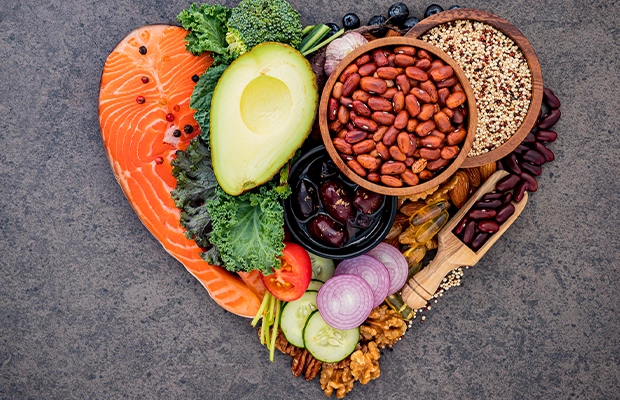








Beans and lentils are among the best everyday choices. For people who eat seafood, salmon offers protein and heart-healthy omega-3 fats.
By Simone Carter | M•I•A MEDIA GROUP
A pot of black-eyed peas can do more for a heart-healthy dinner than its place on the side of the plate suggests. Serve those peas over brown rice with garlicky greens, and they can become the main source of protein. That simple shift reflects the American Heart Association’s 2026 dietary guidance, which encourages people to get more of their protein from plants, eat fish regularly and limit processed meats such as bacon and sausage.
Beans and lentils are the everyday standouts
Black beans, chickpeas, lentils and black-eyed peas deliver protein and fiber in the same bite and are naturally low in saturated fat. That combination matters because the foods that supply our protein can also affect LDL cholesterol. A review of 112 randomized trials found that replacing animal protein with plant protein modestly lowered LDL, often called “bad” cholesterol because elevated levels contribute to plaque buildup in arteries. The benefit comes from what the plant protein replaces. A bowl of lentil soup in place of a sausage sandwich changes the meal in a way that adding a spoonful of lentils alongside the sandwich does less to accomplish.
Canned beans make that swap possible on a weeknight. Look for cans labeled “no salt added” or “low sodium.” If regular canned beans are what you have, drain and rinse them to wash away some of the sodium. Simmer black beans with onion, garlic and cumin for tacos, or cook black-eyed peas with smoked paprika and a splash of vinegar for a pot that gets its smoky flavor from seasoning. Chickpeas, tofu and unsalted nuts can also add variety when beans and rice have already made an appearance that week.
Salmon is a strong choice if you eat fish
Salmon and other oily fish, including sardines and trout, supply omega-3 fats alongside protein. Research reviewed by the American Heart Association links eating nonfried fish and seafood regularly with a lower risk of cardiovascular disease. The association recommends two servings of fish a week, particularly fatty fish, with a serving of about 3 ounces cooked. Baking salmon with lemon, garlic and black pepper is one way to put that guidance on the plate. Canned salmon is another option. Compare sodium on the labels if you buy it regularly.
Skinless chicken, plain low-fat yogurt and eggs can also fit into a heart-healthy eating pattern. Preparation and pairings matter. A piece of roasted chicken served with vegetables brings a different mix of fat, sodium and fiber to the table than breaded fried chicken with a salty side. The same goes for eggs served with sautéed greens versus eggs served with bacon and sausage. When buying meat or poultry, the association favors lean, unprocessed cuts.
People with chronic kidney disease can often include beans, though their portions and protein needs may depend on their stage of disease, lab results and whether they receive dialysis. The National Kidney Foundation advises talking with a kidney dietitian if blood tests show elevated potassium or phosphorus.
For most households, the easiest place to start is with a meal already in the rotation. Give the black-eyed peas a bigger share of the plate, use lentils in a weeknight chili or put baked salmon on the menu in place of sausage. A familiar dish you enjoy enough to make again is where a healthier protein choice becomes a habit.
