






 Miami-Dade’s health is not measured only in hospital beds and new construction. It is measured in whether a nurse is at the bedside at 3 a.m., whether a medical assistant can take a history in Creole, and whether a family in Liberty City or Homestead sees a provider before a manageable condition becomes an emergency. The binding constraint on all three is not capital. It is people.
The numbers leave little room for debate. Florida is projected to fall short by 59,100 nurses by 2035—a 12 percent gap among registered nurses and a 30 percent gap among licensed practical nurses according to Florida Hospital Association/IHS Markit. The same research projects a shortfall of nearly 18,000 physicians. Only about 7 percent of nurses practicing in Florida today are under 30, reports the University of South Florida. The pipeline is not merely tight; it is aging out.
Demand keeps climbing. Last December, FloridaCommerce reiterated that health care and social assistance accounts for roughly 1.4 million jobs statewide, Florida’s largest single employment sector. Nationally, the Bureau of Labor Statistics projects nurse practitioner employment to grow 40 percent from 2024 to 2034 and expects home health and personal care aides to generate about 765,800 openings a year—more than any other occupation.
Miami-Dade cannot treat this as someone else’s problem. Our uninsured rate is 16.7 percent, above Florida’s 13.9 percent and among the nation’s highest. When staffing thins, the residents who wait longest are those already waiting.
This is a workforce problem, and workforce problems have known solutions.
Build ladders, not doors. A nursing assistant credential earned in weeks should be a first rung, not a ceiling. The median wage for home health and personal care aides was $34,900 in 2024, well below the $49,500 median for all occupations. Entry matters only if it leads somewhere—aide to LPN to RN, by design.
Scale registered apprenticeships. Earn-and-learn models let residents draw a paycheck while they train and shift responsibility for quality to the employer who needs the worker. Hospitals, home health agencies and long-term care providers should be co-designing these programs, not waiting for graduates to appear.
Remove barriers unrelated to clinical ability. Child care, transportation, exam fees and licensure costs end more health care careers here than academic difficulty does. Supportive services are not charity; they are a completion strategy.
Recruit from the neighborhoods being served. Patients do better when providers understand their language and their community. Too often our Black and immigrant residents are underserved by this system and underemployed within it, concentrated in its lowest-paid roles.
CareerSource South Florida placed more than 6,500 residents into employment last program year, returning $7.23 in economic impact for every dollar invested. We will put that capacity to work for any health care employer that meets us with real jobs, real wages and a real path upward. The shortage projected for 2035 is not a forecast we must accept. It is a hiring plan we still have time to write.
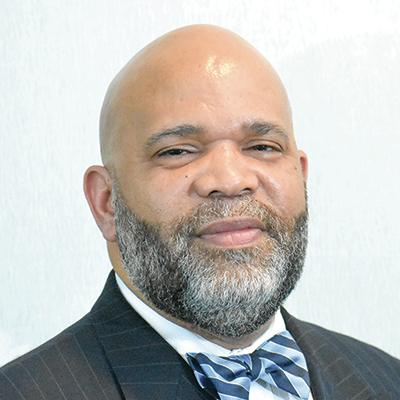
Rick Beasley is executive director of CareerSource South Florida.