


By Clifton Addison
The game is becoming more diverse. But true progress requires expanding access to the business, relationships and wealth surrounding it. I was introduced to golf when I was 5 years old. I didn’t know then that the game would teach me lessons extending far beyond how to grip a club, read a green or finish a round.
Eventually, I came to understand something much bigger: Golf is about access.
For generations, golf courses have been more than places to play a sport. They have been places where relationships are built, information is exchanged, business is conducted and opportunities are created. People spend hours together in an environment almost uniquely suited for connection. Conversations unfold. Trust develops. Introductions are made. A business relationship can begin with a handshake between holes and continue long after the final putt. But for much of golf’s history, Black and Brown communities and other people of color have been underrepresented — and, in many instances, deliberately excluded — from the places where those relationships and opportunities were created.
That history makes the changes happening today significant.
The doors are opening wider. A more diverse generation of golfers, organizations, brands, entrepreneurs and content creators is reshaping the culture surrounding the sport. People who once rarely saw themselves represented on golf courses are increasingly becoming part of the game. That progress matters.
But getting more people onto golf courses is not enough.
We must also ask who benefits from the enormous economy surrounding the game. Who owns golf-related businesses? Who receives corporate contracts? Who manages courses and tournaments? Who works in golf technology, hospitality, marketing, media, financial services and real estate? And perhaps most importantly, who has access to the executives, entrepreneurs and investors who routinely develop relationships through the sport?
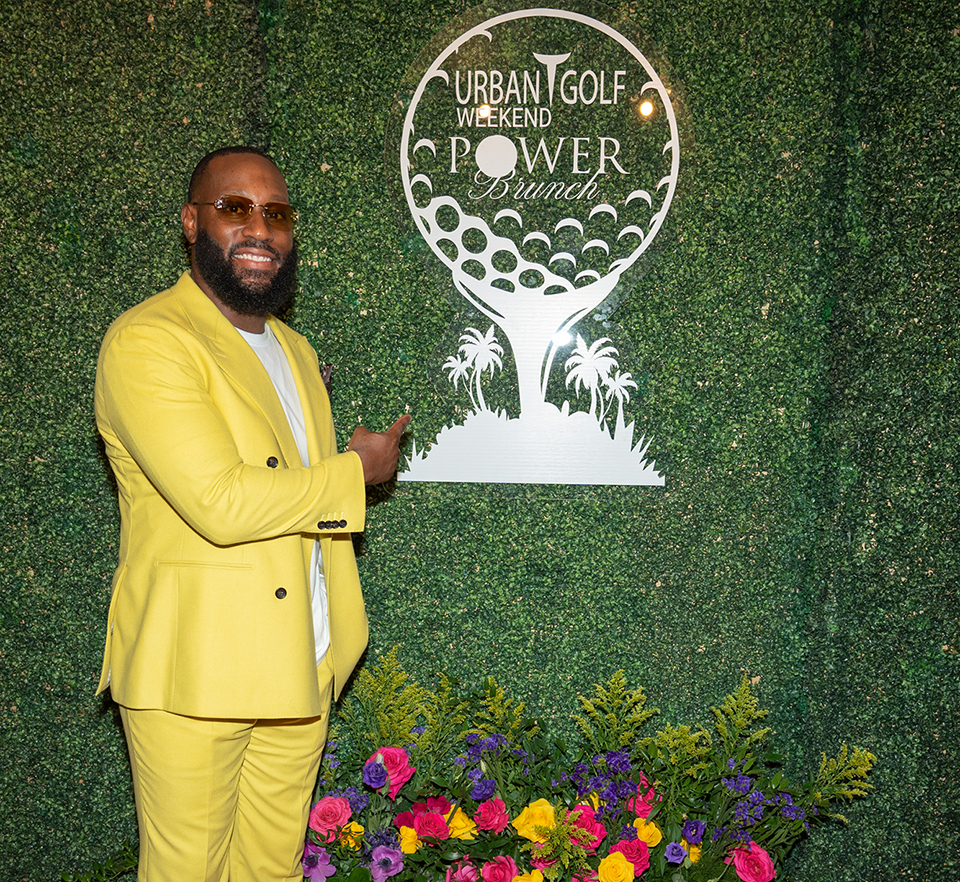
Participation without economic opportunity is incomplete progress.That belief led me to create Urban Golf Weekend and the Urban Golf Foundation. Our annual gathering in Miami brings people together around golf, business and culture, but the weekend itself has never been the ultimate goal.
The goal is access — and making sure access can lead to opportunity.
As a two-time graduate of Florida A&M University, I am especially passionate about helping young people understand the possibilities surrounding this game. Over the past four years, we have invested more than $50,000 in HBCU golf scholarships and youth initiatives. But a scholarship or a set of golf clubs should be the beginning of the journey, not its destination.
Imagine a teenager learning the game and, through golf, meeting a corporate executive who becomes a mentor.
Imagine a college student discovering that the golf industry needs accountants, engineers, attorneys, marketers, designers, hospitality professionals and technology experts.
Imagine an entrepreneur from a historically underserved community recognizing an opportunity to build a company serving a multibillion-dollar industry.
That is how exposure becomes opportunity.
And that is where the conversation about diversity in golf must go next. Representation is important. Seeing more people of color playing the game matters, particularly for young people who need to see that golf belongs to them, too. But representation should be the starting point, not the finish line. The future of golf cannot be measured solely by who stands on the first tee. We must also look at who sits in the boardroom, who owns the companies, who receives the contracts, who makes the decisions and who is building wealth from the vast economy surrounding the sport.
Golf has always opened doors.
The challenge before us is to make certain those doors open wider — and that the next generation is prepared not only to walk through them, but to hold them open and create opportunities for those who come next. Clifton Addison is the founder of Urban Golf Weekend and Urban Golf Foundation Inc., a nonprofit organization dedicated to expanding access to golf through education, mentorship, scholarships, youth and workforce development, and economic opportunity.
