







 As our regional economy evolves, one truth remains constant: educators are the foundation of a strong, future-ready talent pipeline. From early learning through postsecondary education and workforce training, educators play a decisive role in preparing individuals for the jobs that will define our community’s economic future.
According to the U.S. Bureau of Labor Statistics, occupations requiring postsecondary education or training beyond high school are projected to account for over 70 percent of job growth through the next decade, particularly in healthcare, technology, skilled trades, and business services. At the same time, employers consistently report difficulty finding workers with the right mix of technical skills, problem-solving ability, and workplace readiness. This gap underscores why educators are not just instructors—they are workforce developers.
Research from the Georgetown University Center on Education and the Workforce shows that nearly 65 percent of U.S. jobs now require some form of postsecondary education or industry-recognized credential, compared to just 28 percent in the 1970s. Individuals with postsecondary credentials earn, on average, $1 million more over their lifetime than those with only a high school diploma. These outcomes are directly influenced by educators who align instruction with labor market demand and help learners navigate clear pathways to careers.
Locally and nationally, data also show that regions with strong alignment between education systems and workforce partners experience higher employment placement rates and faster reemployment after displacement, reinforcing the value of educators working alongside employers and workforce organizations.
Equally important is who is delivering education. Workforce and education research consistently demonstrates that diverse educator representation improves student engagement, persistence, and long-term success. Studies show that students who have at least one educator who shares their racial or cultural background are more likely to graduate, pursue postsecondary education, and enter professional careers. In a labor market that increasingly values collaboration and cultural competence, exposure to diverse educators prepares students for real-world workplaces .
Today’s employers emphasize not only technical skills, but also communication, adaptability, and teamwork. Educators who bring varied lived experiences and professional backgrounds help students develop these competencies—skills the U.S. Department of Labor identifies as essential for career mobility in a rapidly changing economy.
As we look toward the future, investing in educators means investing in economic resilience. Supporting educator development, strengthening education-to-employment partnerships, and fostering diversity within the profession ensures our regional talent pipeline is inclusive, competitive, and prepared for tomorrow’s jobs.
Recognizing top educators is more than an honor—it is an acknowledgment that educators are shaping the workforce, strengthening communities, and creating opportunity for generations to come.
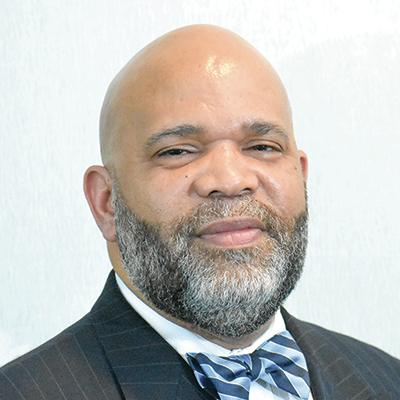
Rick Beasley is executive director of CareerSource South Florida.