







Analysis | By Avery Bennett, M•I•A MEDIA GROUP
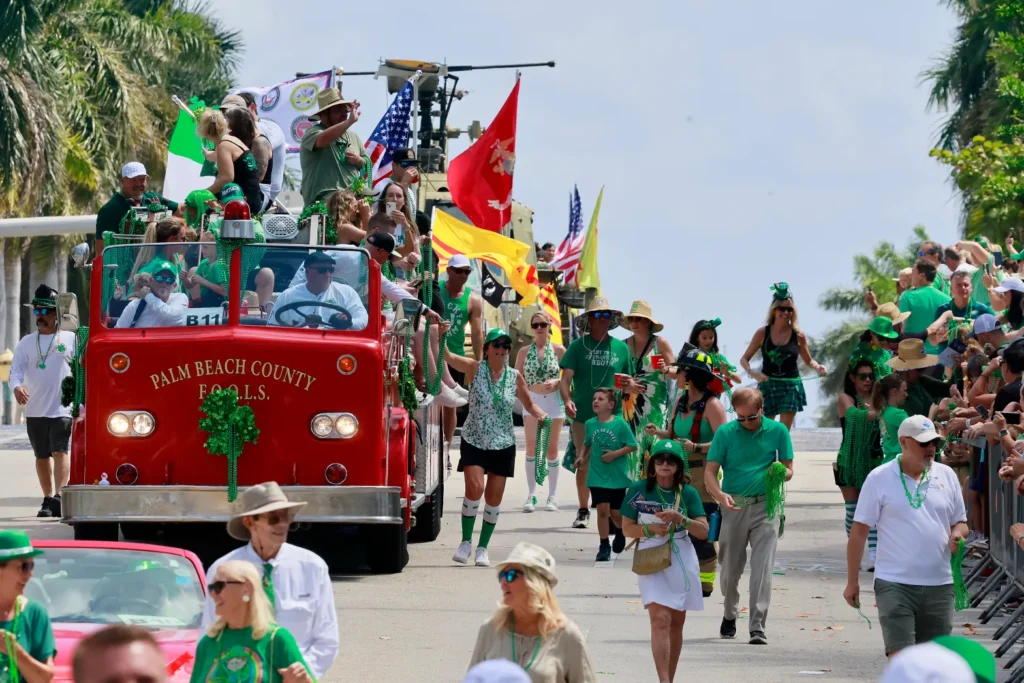
For decades, Delray Beach’s St. Patrick’s Day parade has brought crowds downtown to celebrate Irish heritage. Now the tradition, which dates to 1968, is caught up in Florida’s fight over diversity, equity and inclusion. The city announced Nov. 10 that it would withdraw as host of both the parade and its annual Pride event in 2027, citing a new state law. Mayor Tom Carney says he is working with potential partners to keep the parade on the calendar.
A St. Patrick’s Day parade may seem an unlikely casualty of a political campaign often framed around workplace preferences and diversity offices. Its Irish roots help explain why Delray Beach officials believe the law applies. Florida’s definition of DEI reaches certain activities designed around ethnicity, along with race, color, sex, gender identity or sexual orientation. City officials concluded that the law bars Delray Beach from organizing, funding or promoting either celebration next year.
How a state law reached the parade route
Senate Bill 1134, signed by Gov. Ron DeSantis in April, takes effect Jan. 1. It limits what cities and counties can fund or promote and allows residents to sue their local governments over alleged violations. The statute also says officials who violate its provisions in their official capacity commit misconduct in office. Those enforcement provisions give local officials a concrete reason to review the events they’ve backed for years before committing public money or staff time.
Supporters of anti-DEI measures argue that government should avoid granting preferences based on race or other characteristics. Delray Beach shows what happens when lawmakers extend those restrictions to cultural programming. A parade can celebrate a particular heritage and welcome anyone to join. The same principle applies to a Pride festival. An event can have a specific history and still be part of a city’s shared public life.
Who can afford to keep a tradition going?
The law preserves a path for privately organized events. It allows municipalities to issue permits without regard to an event’s message and to provide public safety services. Delray Beach City Manager Terrence Moore has said a private sponsor could help the St. Patrick’s Day parade go forward. That gives the mayor an option as he works to preserve an event that has drawn thousands of visitors downtown.
That option raises a question for communities across South Florida. A parade with decades of name recognition and a history of bringing customers downtown may have an easier time attracting sponsors than a neighborhood heritage festival. Once a city steps back, organizers have to find people who can raise money, coordinate volunteers and take responsibility for putting on the event. A community’s ability to keep a tradition going may increasingly depend on the sponsors it can reach.
Delray Beach is one city applying a statewide law, and its decision gives residents elsewhere a reason to watch their own municipal calendars. For South Florida’s Black, Caribbean, Latino and LGBTQ communities, the question is which local traditions can still count on city support and which will have to find a new host. Even if private partners save the St. Patrick’s Day parade, other communities will face that question as cities plan their 2027 events.
