







The federal work requirement is set to begin in January in much of the country. In South Florida, the more direct threat to hospitals comes from changes to how Medicaid pays for care.
By Simone Carter | M•I•A MEDIA GROUP
Hospitals are preparing for a new kind of patient outreach. Alongside appointment reminders and follow-up calls, some are sending texts and helping patients gather pay stubs or school records so they can keep their Medicaid coverage. The effort comes as new federal work requirements are set to take effect in much of the country on Jan. 1, 2027, and hospitals face separate cuts to the payments they rely on to care for low-income patients.
The changes stem from the tax and spending law President Donald Trump signed in 2025. The Congressional Budget Office estimated that the law’s Medicaid provisions would reduce federal Medicaid spending by $911 billion from 2025 through 2034 and leave 7.5 million more people uninsured in 2034, according to KFF, a nonprofit health policy research organization. Those figures reflect the law’s Medicaid changes as a whole. The work requirement is one of several provisions driving the projected losses.
A paperwork deadline can become a coverage deadline
The federal rule generally applies to certain adults ages 19 to 64 who qualify through the Affordable Care Act’s Medicaid expansion or certain state waiver programs. People subject to the requirement can qualify through 80 hours a month of work, community service or other eligible activities, including qualifying job training. Attending school at least half time or meeting a monthly earnings threshold can also satisfy the rule. Exemptions cover several groups, including pregnant people, qualifying caregivers and people with certain serious health conditions or disabilities.
For a home health aide whose shifts vary from month to month, the challenge may be producing records that match the state’s reporting period. A patient with a serious illness may need help documenting an exemption. A federal judge in Boston struck down part of the federal rule in October that would have required people with qualifying conditions to show that their illness or disability significantly impaired their ability to meet the work requirement. The ruling left the broader work requirement in place.
Nebraska offers an early look at what can happen. After the state began enforcing the requirement in May, the Hilltop Institute at the University of Maryland, Baltimore County, estimated that the number of applicants found eligible for Medicaid fell by about 25%. For hospitals, fewer insured patients can mean more unpaid bills. For patients, a lapse in coverage can interrupt care that was already underway.
Where South Florida hospitals are exposed
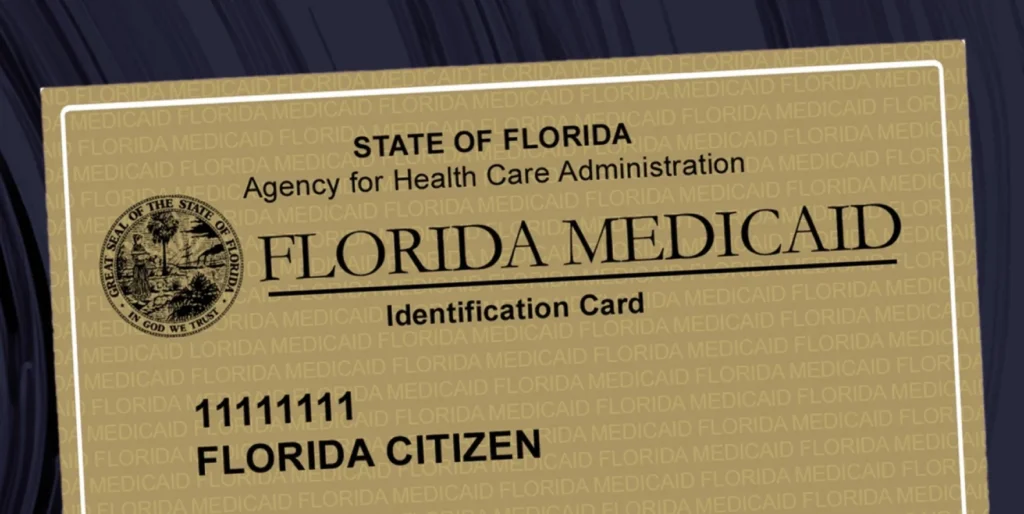
Florida has not expanded Medicaid under the Affordable Care Act, and the new federal work requirement does not apply to the state’s existing Medicaid population. A separate Florida Senate proposal that would have required the state to seek federal approval for its own work rules died in March. The financing changes, however, reach Florida. The federal law limits certain payments that states direct Medicaid managed care plans to make to hospitals and other providers. For some existing arrangements above the new limits, reductions are scheduled to begin in 2028.
Florida uses its Directed Payment Program to help fund inpatient and outpatient hospital care for Medicaid managed care patients. That makes the payment rules a separate issue from whether a patient keeps coverage. A hospital can treat the same number of insured patients and still face financial pressure if it receives less for their care. Safety-net systems have an added responsibility to patients who lack insurance. In Miami-Dade, for example, Jackson Health System offers financial assistance to eligible residents who have trouble paying for care.
For South Florida patients, the effects will become clearer as state officials and hospitals work through the new payment limits. The changes to watch are concrete: whether a nearby clinic keeps its hours, whether patients can get timely specialist appointments and whether hospitals maintain the financial assistance that helps people afford care.