







As inflation squeezes working families and economic inequality deepens, Black Americans face a troubling reality: The cost of living is rising faster than their ability to build and preserve wealth.
By M•I•A MEDIA GROUP
The American economy may be creating enormous wealth, but for millions of Black families, that prosperity remains painfully out of reach. While Wall Street celebrates record gains and wealthy investors watch their portfolios grow, Black households are confronting a different reality: rising prices, shrinking savings, mounting debt and an increasingly uncertain financial future. The racial wealth gap remains one of America’s most persistent economic challenges. Despite generations of progress, Black families continue to face significant obstacles to accumulating wealth and achieving lasting financial security. The message is difficult to ignore: America’s economy is producing wealth, but too many Black Americans are being left behind.
The Wealth Gap Is Becoming a Crisis
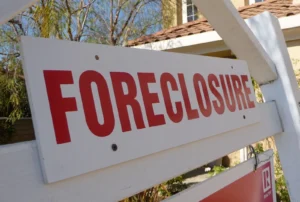
For generations, homeownership has represented the foundation of Black wealth. But unlike affluent households with diversified investments, many Black families depend heavily on the value of their homes. That distinction matters. When the stock market rises, wealthy Americans with substantial investment portfolios benefit immediately. Black households with limited stock ownership often see far smaller gains.
The result is an economic system in which the wealthy accumulate more assets while working families struggle to maintain what they already own. Even more troubling, many households are surviving by borrowing against tomorrow. Credit cards, installment payment plans and depleted savings have become financial lifelines. Consumer spending may remain strong, but spending money does not necessarily mean having money.
For families living paycheck to paycheck, one unexpected expense can trigger a financial crisis.
Trump’s Policies Raise Serious Questions
President Donald Trump’s economic agenda has intensified concerns about the financial future of Black Americans. His administration’s efforts to eliminate diversity, equity and inclusion initiatives, restructure federal assistance programs and advance tax policies benefiting higher-income households have drawn criticism from advocates who argue that these decisions could deepen racial inequality. The administration maintains that tax reductions, deregulation and economic expansion will benefit Americans across income levels. But economic growth means little to families who cannot afford their rent, insurance premiums or groceries.
The fundamental question is whether Trump’s policies will create meaningful economic opportunities for Black Americans or further strengthen a system in which wealth remains concentrated at the top.
South Florida Families Feel the Pressure
Nowhere are these challenges more visible than in South Florida. Across Miami-Dade, Broward and Palm Beach counties, Black families are confronting soaring housing costs, expensive homeowners insurance and limited access to affordable credit. Young professionals increasingly find homeownership beyond their reach. Retirees struggle to maintain properties they spent decades paying for. Small-business owners face rising expenses while competing for financing. These are not abstract economic concerns. They represent families postponing retirement, abandoning homeownership dreams and struggling to establish generational wealth. Meanwhile, uncertainty surrounding global energy markets threatens additional increases in transportation, food and consumer prices.
For households already stretched financially, another round of price increases could force even more difficult decisions about how to make ends meet.
Economic Growth Without Economic Justice
America cannot celebrate economic prosperity while ignoring the widening divide between those accumulating wealth and those struggling to survive. Closing that divide requires more than political promises.
It demands affordable housing, fair lending practices, stronger wages, expanded business ownership and policies that create genuine pathways to financial independence. Black Americans do not need another lecture about financial responsibility. They need an economy in which hard work produces meaningful opportunity. The nation must also confront an uncomfortable question: What does economic progress really mean when working families are losing ground while those at the top continue to prosper? The real measure of America’s economic success is not how much wealth its billionaires accumulate. It is whether ordinary families can build wealth, keep their homes and leave their children something more than debt.
Until that happens, the American dream will remain exactly that for too many Black families — a dream.
